Eastern Paths Lives
Sages, awakened ones, and masters of the eternal dharma: Hindu and Vedic, Buddhist, Daoist, and the way of the Gurus, each told from within.
Told from within the tradition, with reverence, accuracy, and without comparative judgment.
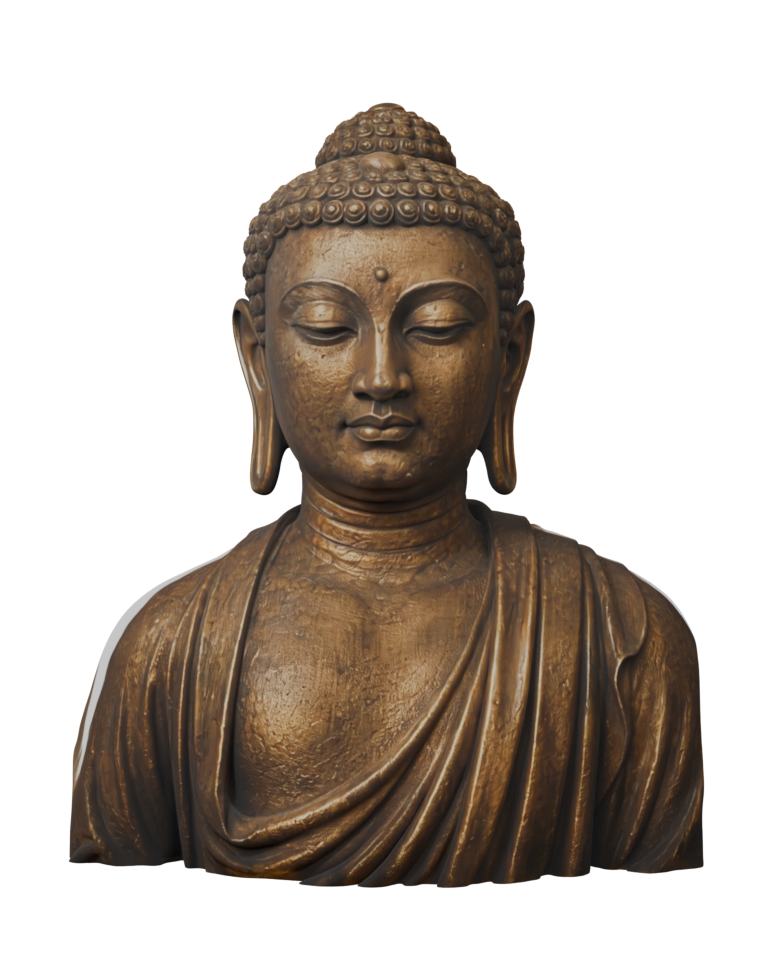
Siddhartha Gautama
The prince Siddhartha who left a palace to seek the end of suffering, and awakened beneath the Bodhi tree as the Buddha, the Enlightened One.
A prince walked out of his palace and sat down until the universe opened.
Siddhartha Gautama
The prince Siddhartha who left a palace to seek the end of suffering, and awakened beneath the Bodhi tree as the Buddha, the Enlightened One.
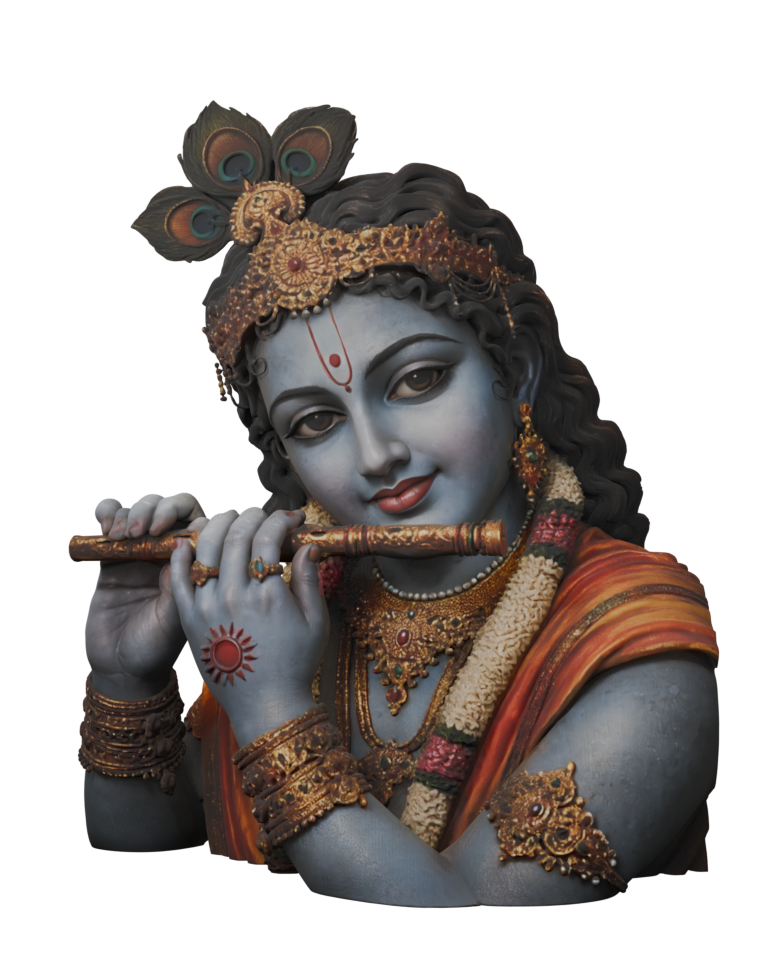
The flute sounded in Vrindavan, and the whole of heaven came out to dance.
Sri Krishna
The beloved Lord of Vrindavan, cowherd, charioteer, and teacher of the Bhagavad Gita, in whom the Divine took form for the love of the world.
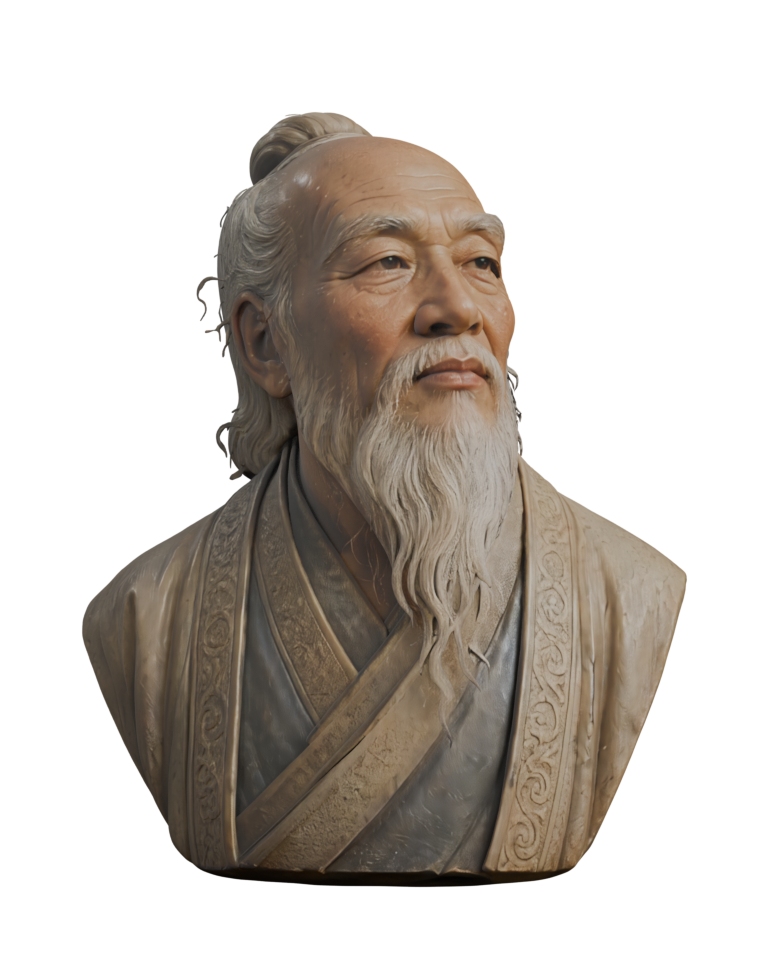
He wrote five thousand characters at the border gate, and vanished into the west.
Lao Tzu
The old keeper of the Zhou archives who rode west on an ox and, halted at the last frontier gate, left behind the five thousand characters that became the Tao Te Ching.
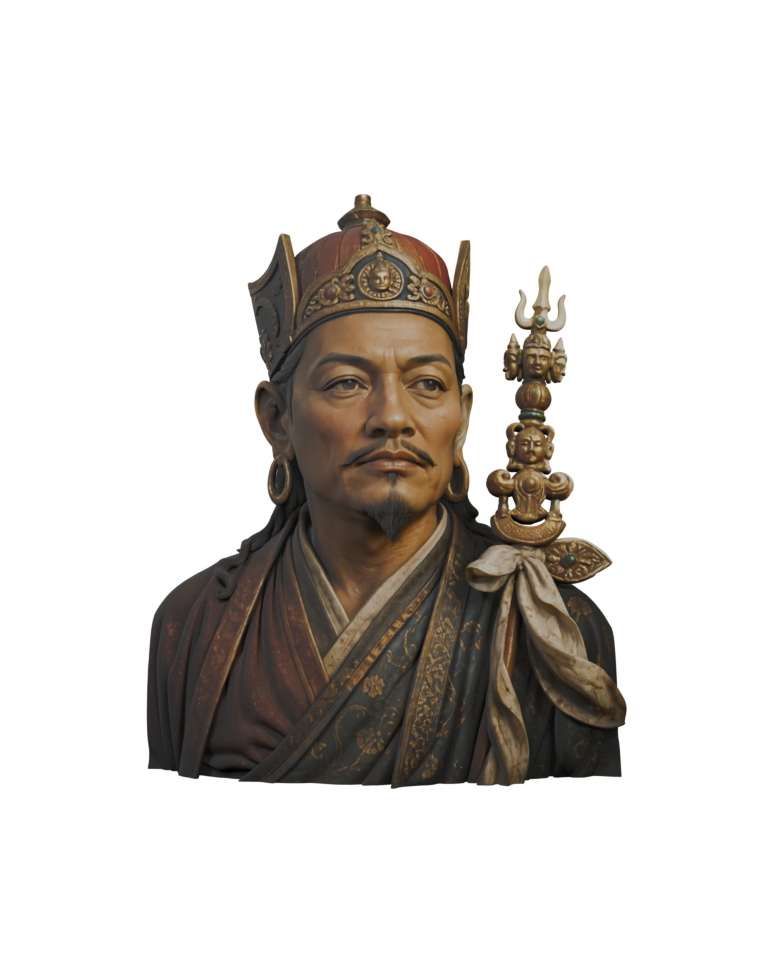
Born of a lotus, he crossed the mountains and planted the dharma where it could never be uprooted.
Padmasambhava
The lotus-born master who carried the dharma across the Himalayas, tamed the fierce spirits of Tibet, and remains, to those who call on him, a presence that has never left.
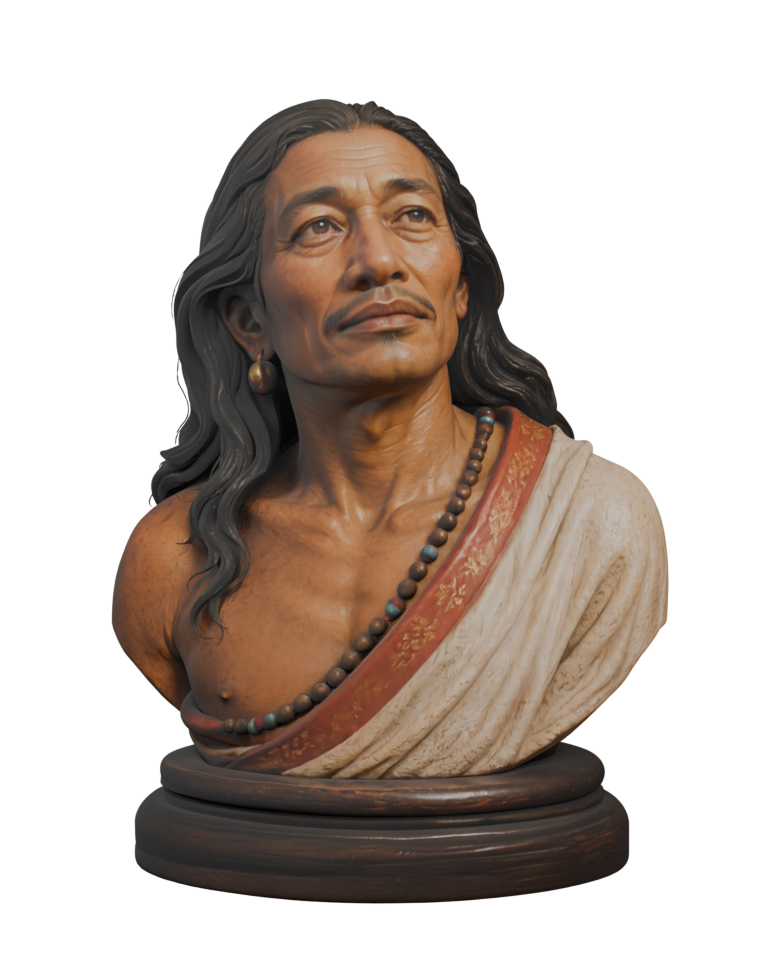
He murdered thirty-five people. Then he became Tibet's greatest saint.
Jetsün Milarepa
Tibet's great yogi and poet, who turned from dark deeds to the dharma and, clad in a single cotton robe in the high mountain caves, attained awakening in one lifetime, singing all the way.

He danced the name of God through Bengal until whole towns sang behind him.
Sri Chaitanya Mahaprabhu
The golden saint of Bengal, who set the chanting of the divine name at the heart of Vaishnava devotion and gave the world the ecstasy of sankirtan.
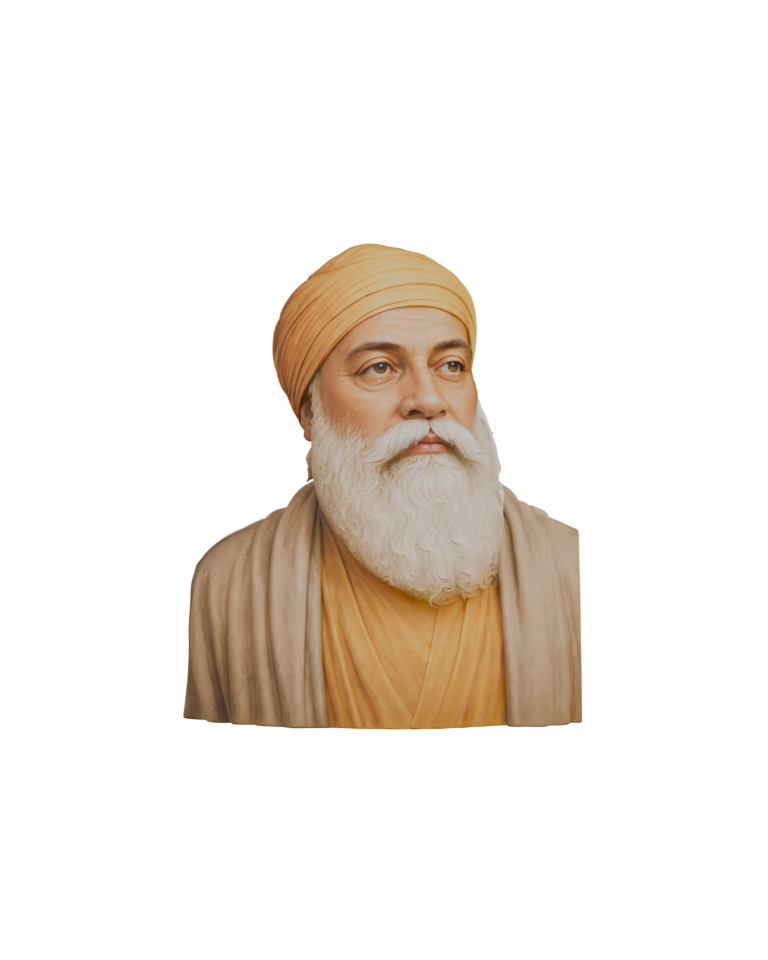
He vanished into the river for three days, and returned with one sentence that founded a faith.
Guru Nanak Dev Ji
The first of the ten Gurus, who sang Ik Onkar, the One God, across the lands of Asia, and lit the lamp of the Sikh path: truthful living, service, and remembrance of the Name.
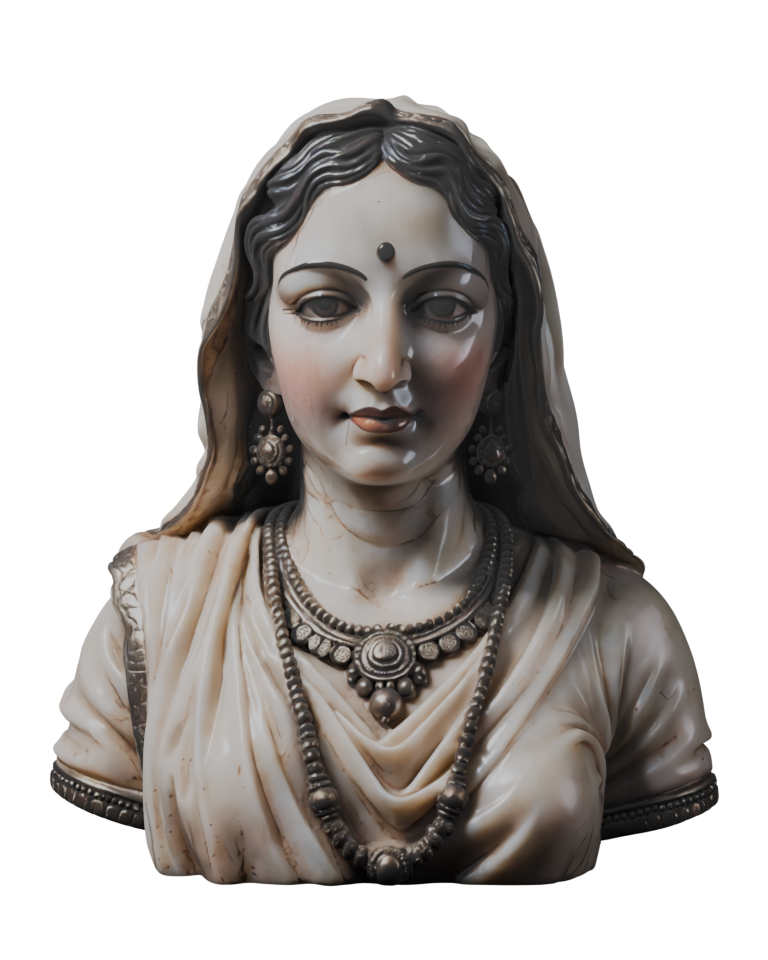
A princess threw away a throne for love of the Dark One, and sang.
Sant Mirabai
A Rajput princess who renounced a throne for the love of Krishna, whose ecstatic songs of devotion are still sung across India to this day.
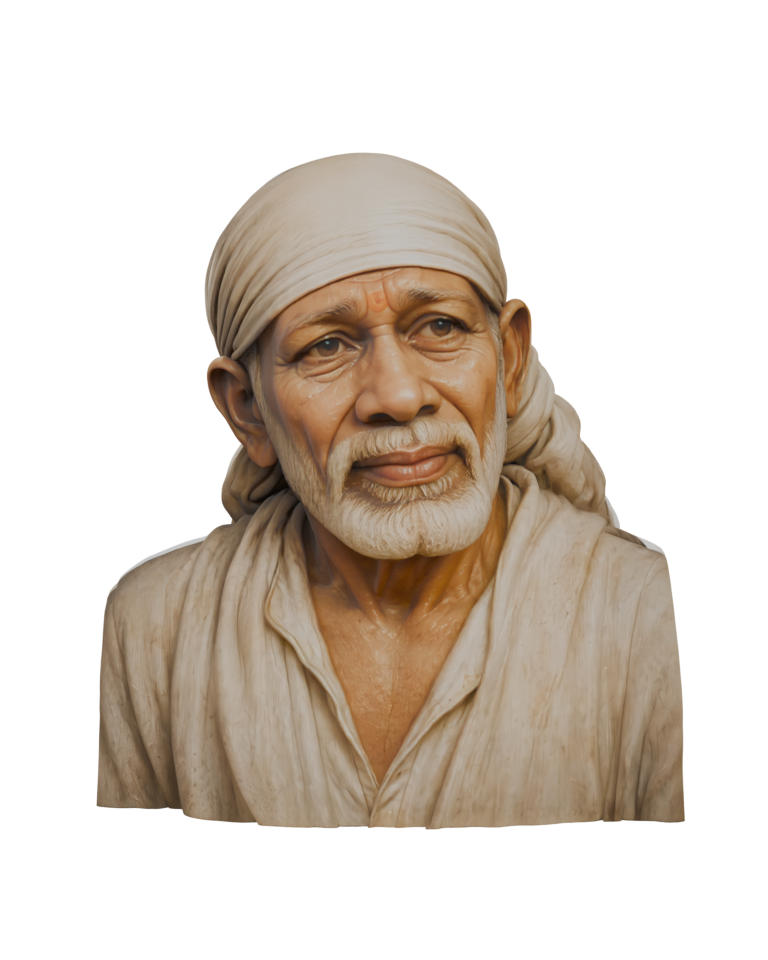
He kept a fire burning in a ruined mosque, and Hindu and Muslim alike came to warm themselves.
Sai Baba of Shirdi
The faqir of Shirdi, revered by Hindus and Muslims together, who taught that all masters are one and met every visitor with the same welcome.
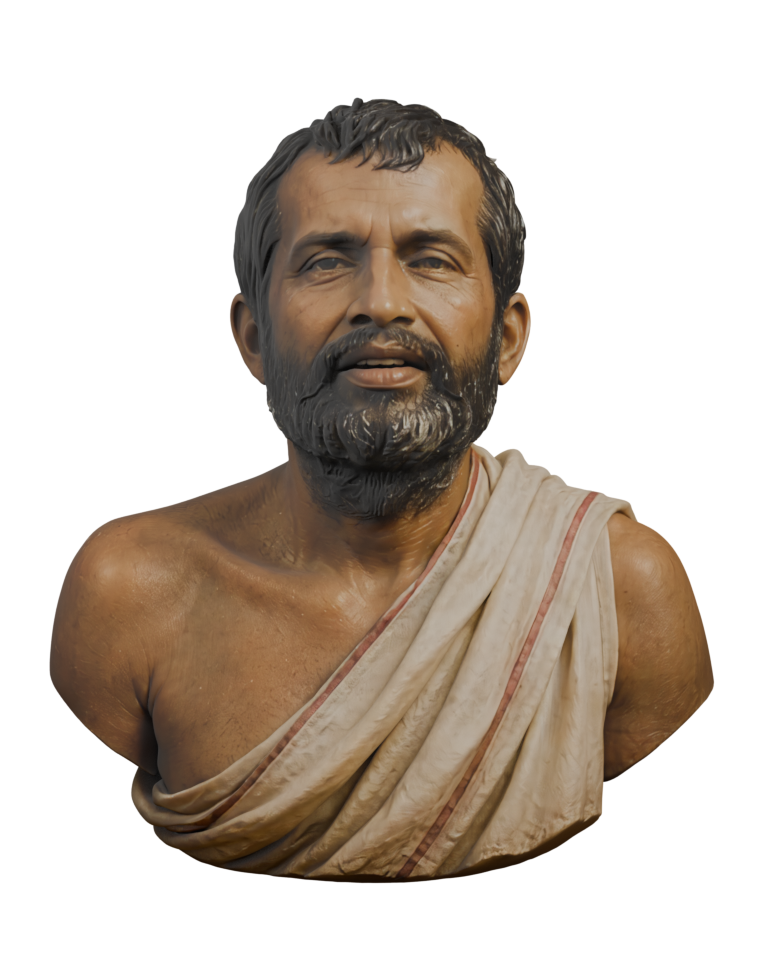
He practiced every faith he could find, and each one led him to the same light.
Sri Ramakrishna Paramahamsa
The priest of Dakshineswar who worshipped the Divine Mother until she answered, then walked the paths of other faiths one by one and found the same God waiting at the end of each.
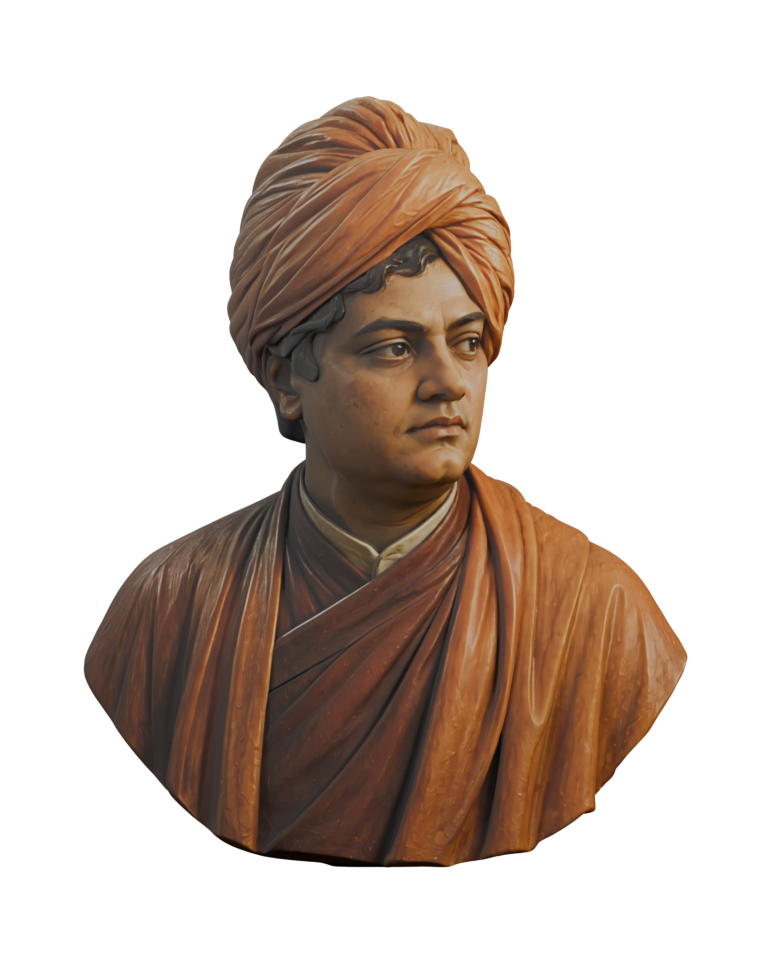
He walked onto a Chicago stage unknown, said five words, and the hall stood roaring.
Swami Vivekananda
The disciple of Ramakrishna who carried Vedanta out of Bengal and into the West, telling a Chicago parliament that every faith is a path up the same mountain.
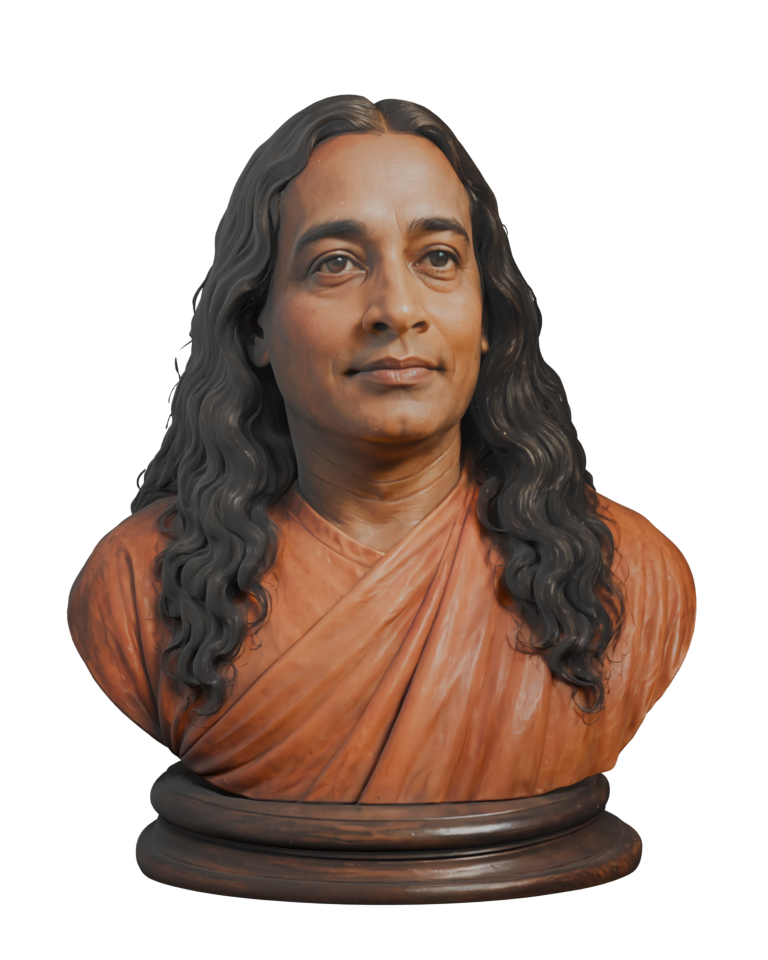
He crossed an ocean with a message: the soul can know God directly.
Paramahansa Yogananda
The monk who carried Kriya Yoga from the banks of the Ganges to the West, whose Autobiography of a Yogi has led generations of seekers to the inner light.
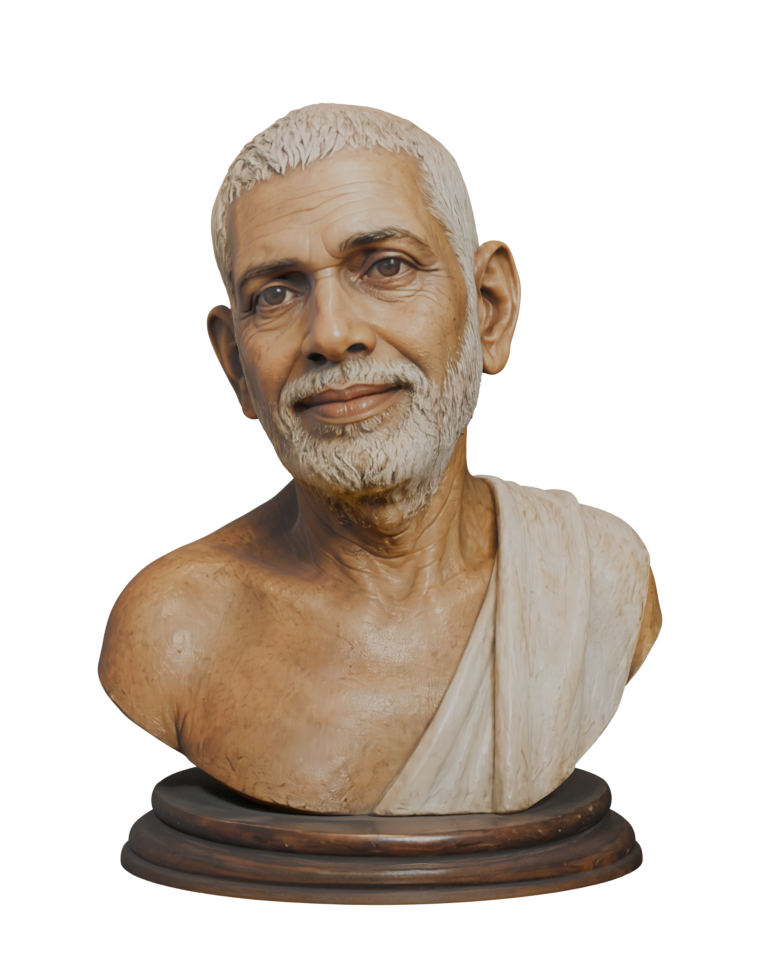
At sixteen he lay down, died before death, and woke as the Self.
Bhagavan Sri Ramana Maharshi
The silent sage of the holy mountain Arunachala, who awakened as a boy of sixteen and taught seekers ever after to trace the 'I' to its source: Who am I?
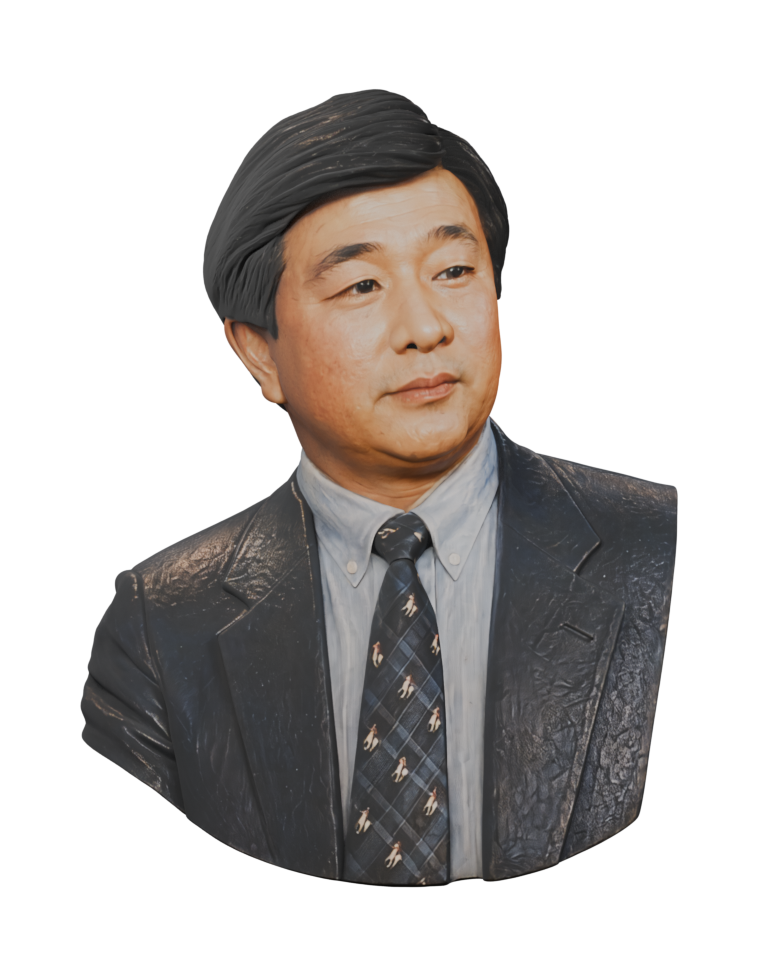
A quiet man from Changchun taught a practice, and a hundred million sat down to learn.
Li Hongzhi
The founder of Falun Dafa, who brought to the world a practice of cultivation rooted in Truthfulness, Compassion, and Forbearance.
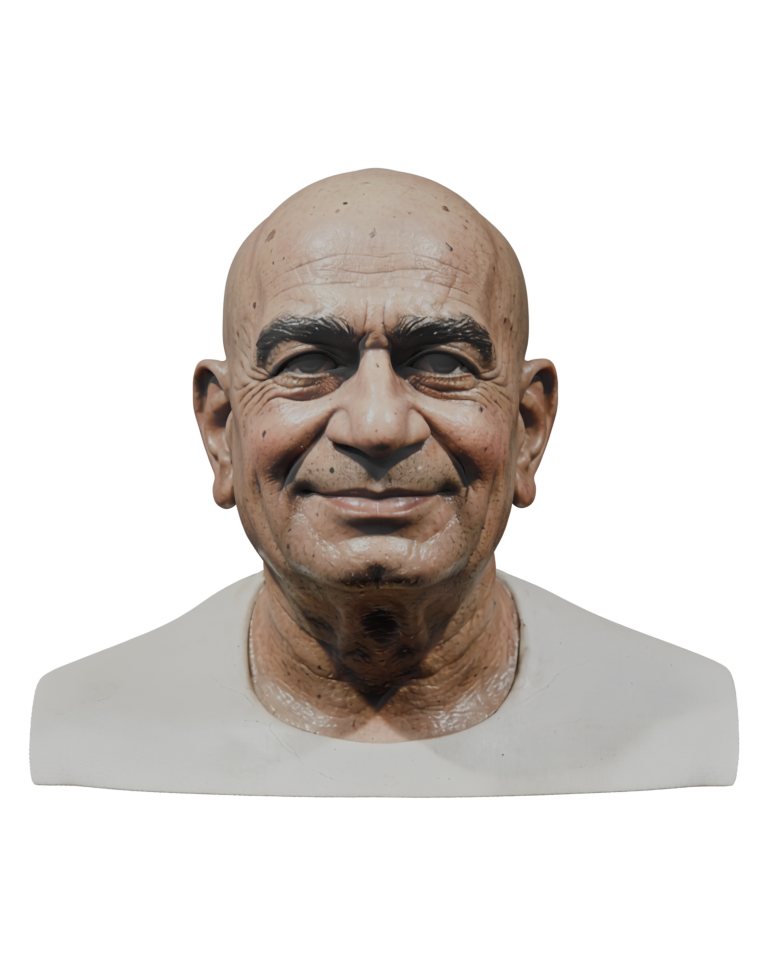
He told every seeker the same impossible thing: you are already free.
Sri H. W. L. Poonja
A master of Advaita in the lineage of Sri Ramana Maharshi, who awakened thousands to the Self with a single, disarming question: who are you?
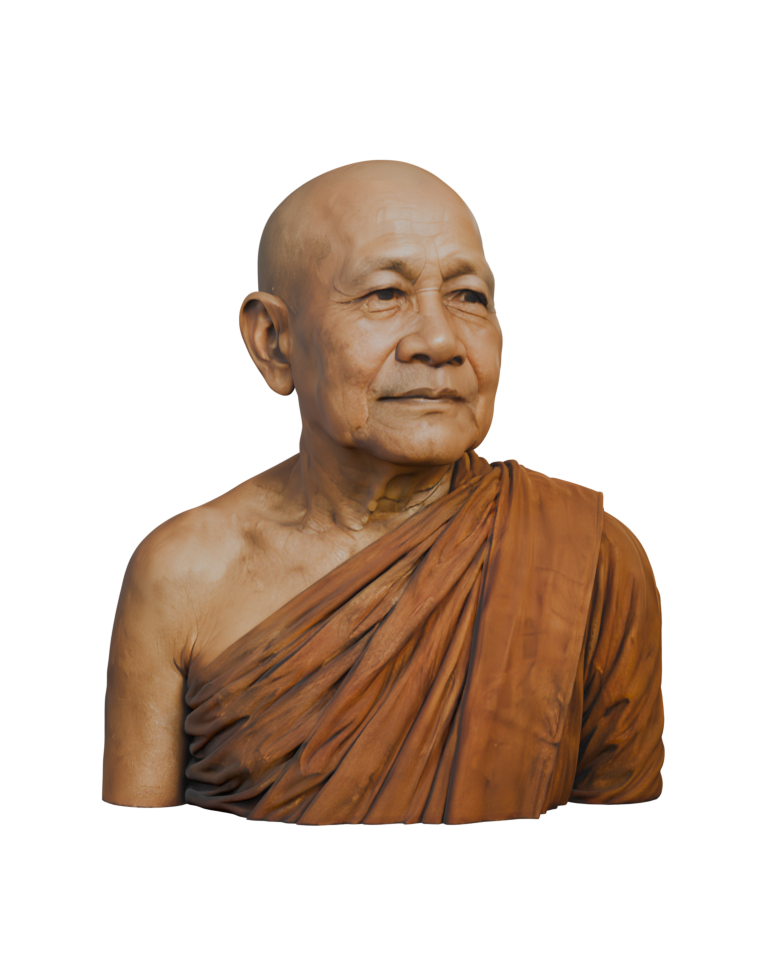
He gave the forest as a classroom and stillness as the only lesson.
Venerable Ajahn Chah Subhaddo
A master of the Thai Forest Tradition whose plain, humorous teaching carried Theravada practice from the jungles of Ubon to the wider world.
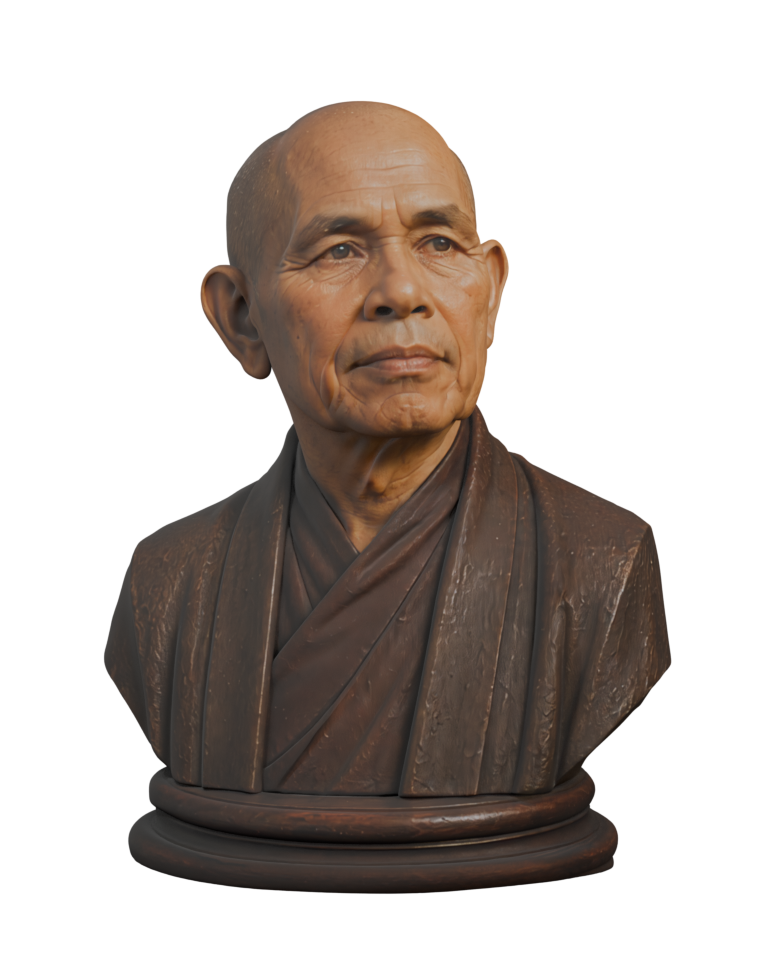
War burned his country. He answered with breath, and peace became a practice.
Thich Nhat Hanh
The Zen master of Plum Village, known to his students simply as Thầy, who carried mindfulness from war-torn Vietnam to the whole world and taught that peace is every step.
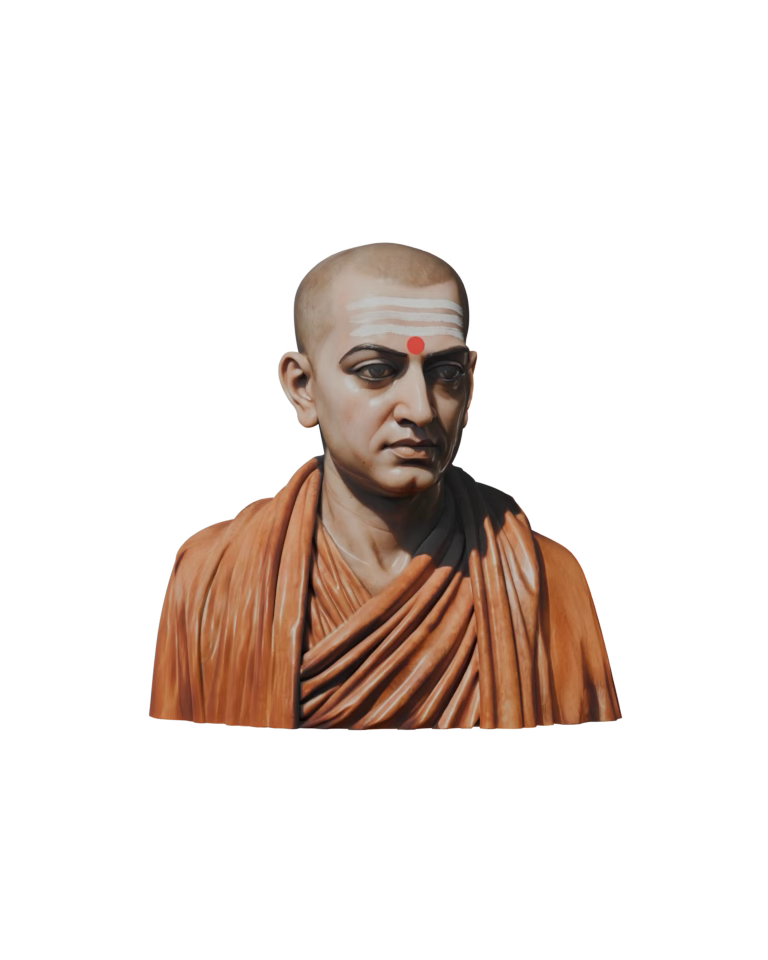
An eight-year-old left home to find the Self, and reshaped a civilization.
Jagadguru Sri Adi Shankaracharya
The great teacher of Advaita Vedanta who, in a life of only thirty-two years, renewed the eternal dharma and unified the wisdom of the Upanishads.
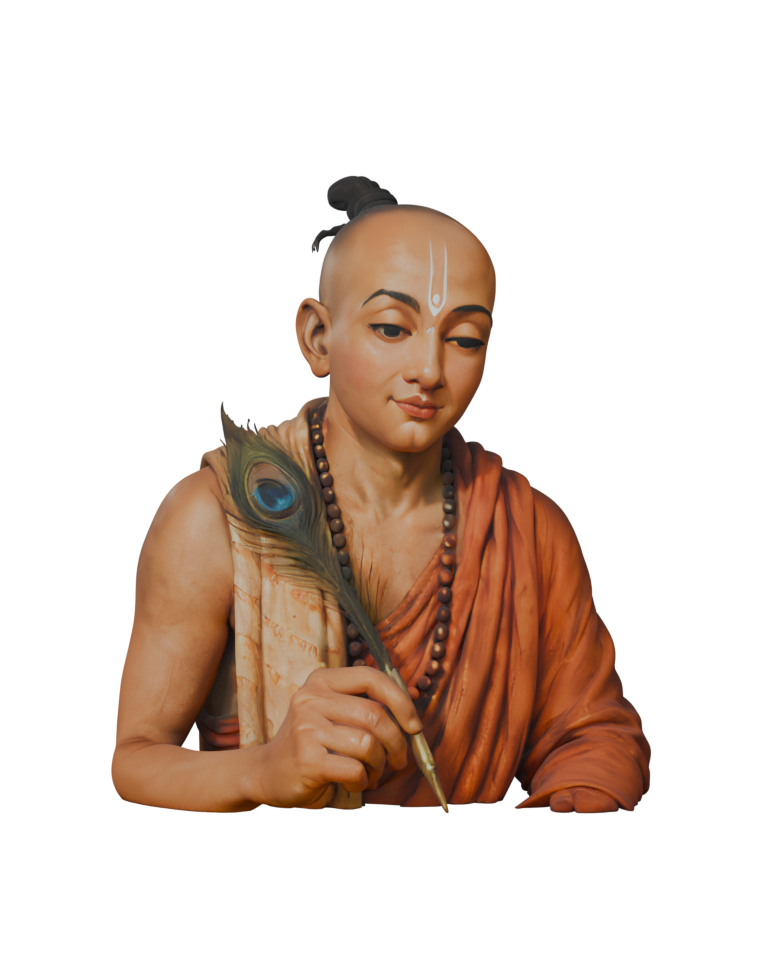
He set the story of Rama in the speech of ordinary people, and a nation learned to sing it.
Goswami Tulsidas
The poet-saint of Awadh, whose Ramcharitmanas carried the life of Rama into the common tongue and became the beloved scripture of northern India.
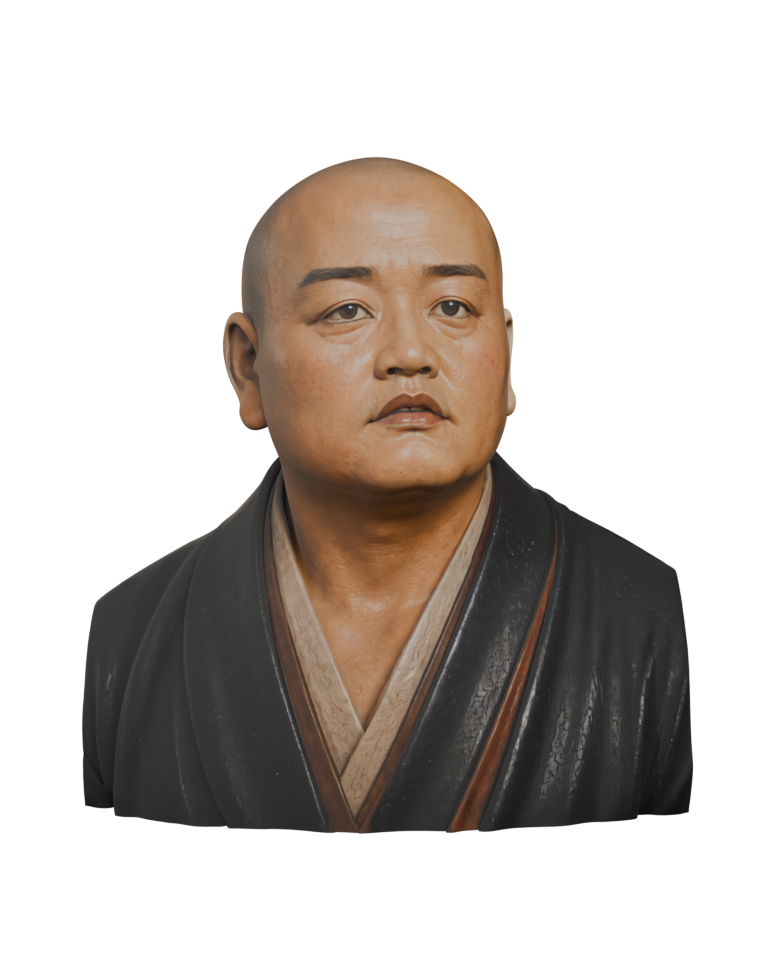
He sailed to China for an answer and came home with nothing but sitting.
Eihei Dōgen Zenji
The founder of Soto Zen in Japan, who taught that sitting itself is awakening and left in the Shobogenzo a masterwork of Buddhist thought.
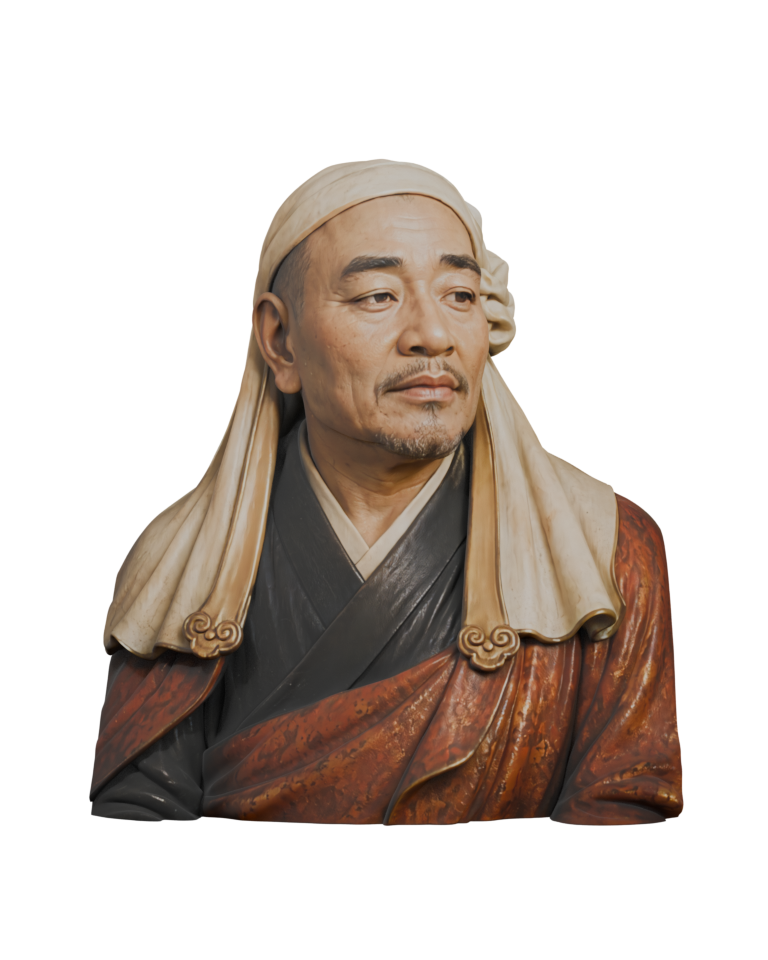
An unlettered woodcutter heard one line of scripture and understood everything.
Hui-neng
The Sixth Patriarch of Chan, a woodcutter whose sudden awakening reshaped the school and whose teaching survives as the Platform Sutra.
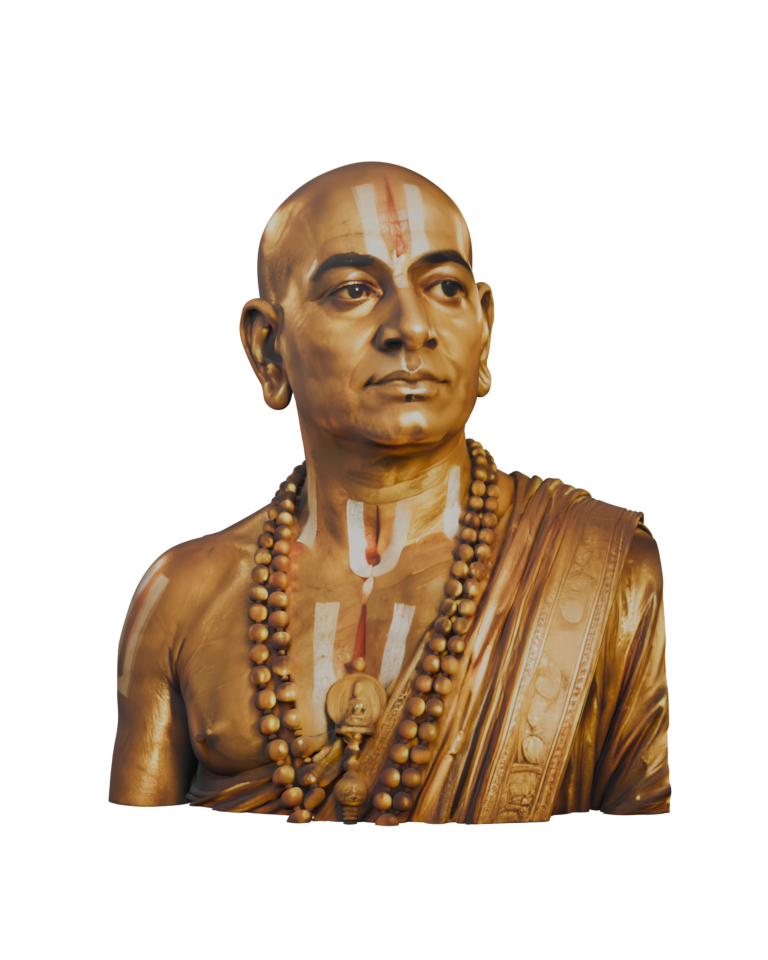
Sworn to keep a saving mantra secret, he climbed a tower and gave it to everyone below.
Sri Ramanujacharya
The great teacher of Vishishtadvaita, who opened temple and mantra to those long kept outside and gave Sri Vaishnavism its philosophy of loving surrender.
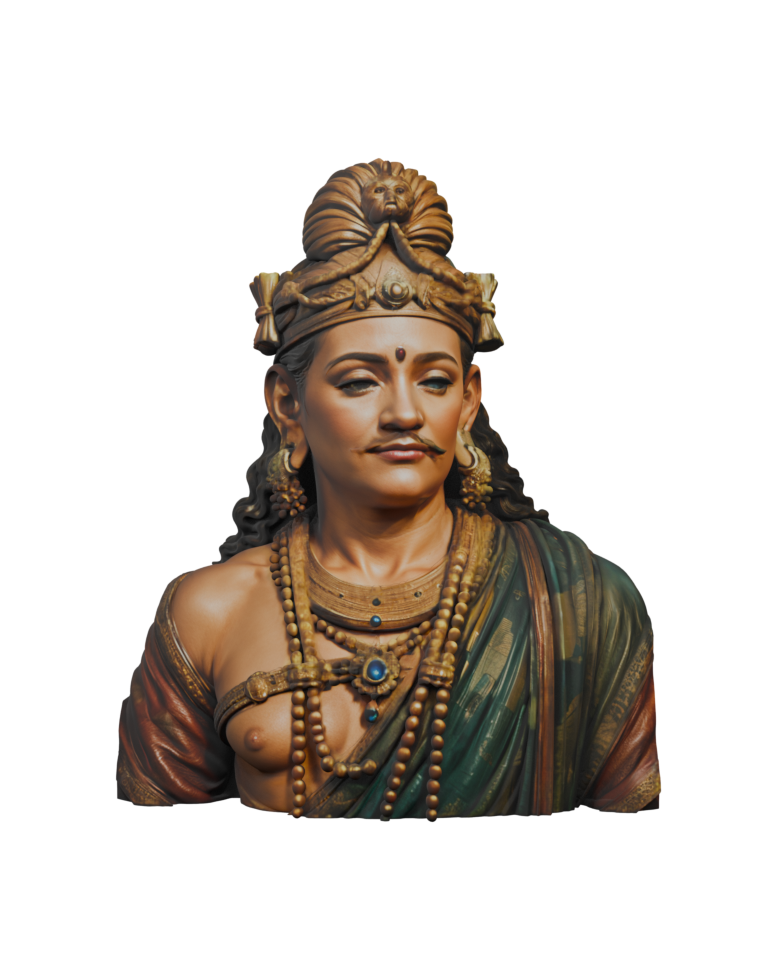
He took every certainty apart and found the freedom waiting underneath.
Nāgārjuna
The founder of the Madhyamaka school, whose teaching of emptiness became the philosophical heart of Mahayana Buddhism.
The Buddhist and Eastern wing follows those who woke and those who taught the way to wake: a prince who left a palace and found the middle way, a cotton-clad yogi who sang from a Himalayan cave, a monk whose quiet walking taught a noisy century how to breathe.
The lives are told as the lineages tell them. The dharma is given as dharma, the miraculous is not explained away, and the teaching is allowed to arrive the way it arrives in the tradition, through the shape of a life rather than a summary of doctrine.
Every life in this wing opens with a complete book, given freely. See the free Invitations →